

Karma Yoga Explained
Through the Life of Dr. A.P.J. Abdul Kalam

Dear Prosperity-seekers,
In the edition of Spiritual prosperity, lets understand how we can achieve professional fulfillment by practicing an age old, yet relevant philosophy - Karma Yoga. Karma Yoga, one of the four main paths of yoga in Hindu philosophy, is often referred to as the "Yoga of Action." The other 3 main paths of yoga namely, Kriya, Bhakti and Gnana is as described in the image below.

In a world where success is often measured by personal achievements and material gains, the essence of Karma Yoga—selfless action performed with dedication and without attachment to the results—offers a refreshing perspective. This ancient philosophy, articulated in the Bhagavad Gita, transcends religious boundaries and provides timeless guidance on how to live a meaningful and impactful life. One of the most inspiring modern-day embodiments of Karma Yoga is Dr. A.P.J. Abdul Kalam, whose life and work offer profound lessons in selfless service, dedication to duty, and humility.
Before that, let us briefly have a look at what Krishna has said in Bhagavad Gita about Karma Yoga.

Verse 2.47 of the Bhagavad Gita encapsulates the fundamental essence of Karma Yoga: "Karmanye vadhikaraste ma phaleshu kadachana, ma karma phala hetur bhurmatey sangostva akarmani."
This verse translates to: "You have a right to perform your prescribed duties, but you are not entitled to the fruits of your actions. Never consider yourself to be the cause of the results of your activities, nor be attached to inaction."
Building up on the above, verse 3.19 further elaborates the meaning of Karma Yoga: "Tasmad asaktah satatam karyam karma samachara, asakto hy acharan karma param apnoti purushah."
Which translates to: "Therefore, without being attached to the results of activities, one should act as a matter of duty, for by working without attachment, one attains the Supreme."
Dr. A.P.J. Abdul Kalam: A Modern Karma Yog

Karma Yoga, one of the four main paths of yoga in Hindu philosophy, emphasizes performing one's duties with a focus on the action itself rather than the outcomes. This path encourages selfless service, detachment from the fruits of actions, and unwavering dedication to one's responsibilities. Dr. A.P.J. Abdul Kalam, while not explicitly labeling his actions as "Karma Yoga," demonstrated the principles of this path only through his deeds. His personal live and professional journey often reflected the core values of Karma Yoga which is selfless action, dedication to duty, service to others and humility.
Let’s see how.
1. Nishkama Karma
Dr. Kalam's life was a testament to unwavering dedication to duty. As a scientist, he played a pivotal role in India’s space and missile programs, including the development of the Agni and Prithvi missiles. His work was not driven by personal ambition but by a profound sense of duty to his country. His commitment to his work exemplifies the principle of "Nishkama Karma"—action performed without any desire for personal gain.
2. Seva
After his tenure as the President of India, Dr. Kalam dedicated his life to interacting with students and inspiring the younger generation. He believed in the power of education to transform society and spent his time visiting schools and colleges across the country, sharing his vision and encouraging students to dream big and work hard. Even today, his book "Wings of Fire" is a source of inspiration for many young Indians. Dr. Kalam’s commitment to sharing his knowledge and experiences without expecting anything in return is a perfect illustration of selfless service (Seva). Karma Yoga, which involves serving others selflessly, aligns with this philosophy. Helping others without expecting anything in return is considered a path to spiritual growth, and Dr. Kalam’s actions epitomize this principle.
3. Amanitva and Arjavam
Despite his numerous accolades and achievements, Dr. Kalam remained humble and approachable. He led a simple life, often emphasizing the importance of values and ethics over material success. His humility (Amanitva) and simplicity (Arjavam) resonated deeply with the principles of Karma Yoga. During his presidency, Dr. Kalam would often meet with children and the general public, listening to their concerns and dreams with genuine interest. His ability to connect with people from all walks of life, without any sense of superiority, reflects the humility central to Karma Yoga.
4. Dharma and Vairagya
During the Pokhran-II nuclear tests in 1998, Dr. Kalam worked tirelessly alongside his team, demonstrating exceptional leadership and commitment. Despite the high stakes and international scrutiny, his focus remained on the task at hand, embodying the Karma Yoga principle of performing duty with detachment from the outcome. Karma Yoga emphasizes fulfilling one's responsibilities and duties (Dharma) in life, teaching that everyone has a specific role and set of duties, and performing these with dedication is a form of worship. Additionally, practitioners are encouraged to remain detached from the outcomes of their actions (Vairagya). By not being emotionally tied to success or failure, one can maintain inner peace and balance. Dr. Kalam’s actions during this critical period illustrate these principles, showing how dedication to duty and detachment from results are integral to achieving both personal and professional excellence.
Now, let us see how we can try to practice Karma Yoga in our life to achieve professional fulfillment.
Applying Karma Yoga in Professional Life
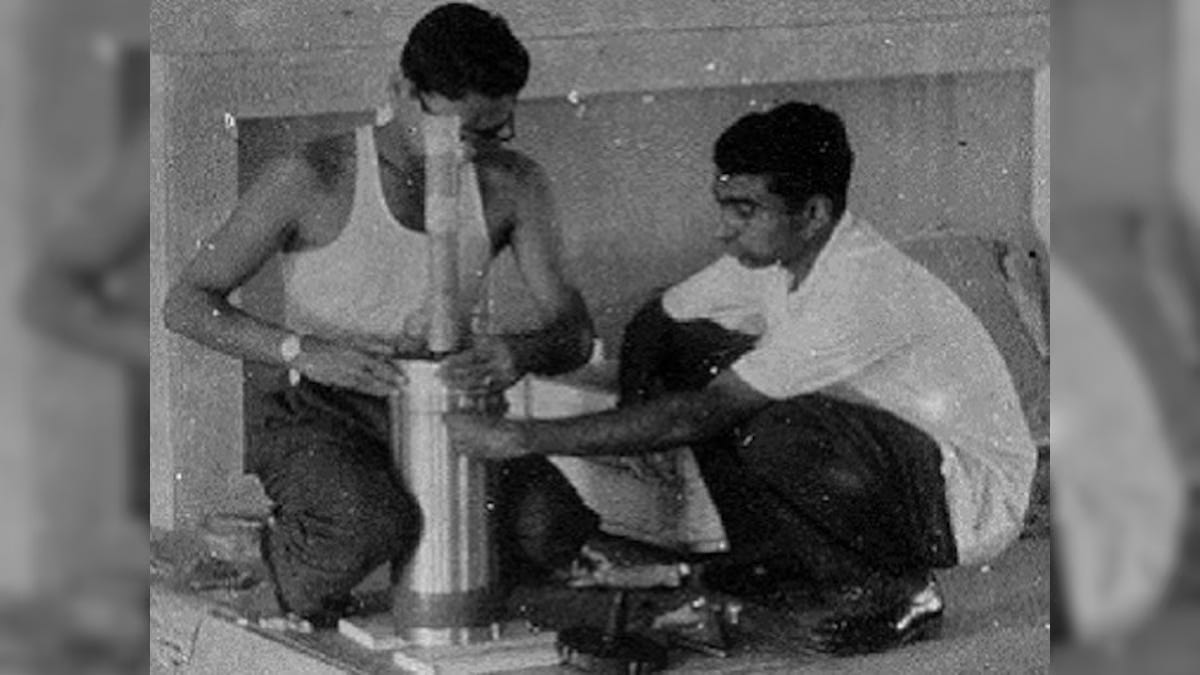
Dr. Kalam working hands-on during early days of ISRO.
1. Focus on Excellence, Not Outcomes
Emulate Dr. Kalam by focusing on the quality of your work rather than the rewards. Strive for excellence in every task, big or small, and let the results take care of themselves. This approach reduces stress and enhances job satisfaction.
2. Serve Others
Look for opportunities to help colleagues and contribute to your organization without expecting anything in return. Acts of service, whether mentoring a junior or volunteering for a challenging project, enrich your professional life and build strong, collaborative relationships.
3. Practice Detachment
Cultivate a mindset of detachment from the outcomes of your efforts. Understand that not every project will succeed and not every goal will be met. By focusing on your efforts rather than the results, you can maintain balance and resilience in the face of setbacks.
4. Stay Humble
Regardless of your achievements, remain grounded and approachable. Value the contributions of others and recognize that success is often a collective effort. Humility fosters a positive work environment and earns you respect and trust.
Conclusion
Karma Yoga is a path of selfless action and dedication to duty, offering profound lessons that transcend religious and cultural boundaries. Dr. A.P.J. Abdul Kalam's life is a shining example of these principles in action. By focusing on excellence, serving others, practicing detachment, and staying humble, we can all embody the essence of Karma Yoga in our professional lives. This approach not only enhances our personal fulfillment but also contributes to a more harmonious and productive society.

By embracing the principles of Karma Yoga, we can transform our work into a meaningful and impactful endeavor, enriching our lives and the lives of those around us.
Stay tuned to Prosper!
A Plead: Dear prosperity seekers, it takes a significant amount of time and effort to study and express the stuff I intend to offer on this platform. If you believe I am providing great information with good intentions, please help me grow by sharing this post with your friends and asking them to subscribe.
If this content has educated, you and you still haven’t subscribed to my newsletter please click on the subscribe button below and subscribe by pledging for free:
If you have subscribed, but do not know the purpose of this newsletter, please click on the below link to read the first post: